
You sit down for a big lunch, maybe pasta or a sandwich, and within an hour your head feels stuffed with cotton. You try to read a memo or recall a name you knew a second ago, but nothing comes. This is not just being tired. It might be your blood sugar talking.
I started tracking my glucose levels for my waistline, not my memory. I wanted to lose a few pounds and keep my energy steady. But I kept noticing something strange. After meals that sent my blood sugar high and then let it crash, my thinking turned fuzzy. Brain fog is a real thing. When glucose swings hard, the first thing to go is attention. You can feel it happen.
The connection between blood sugar and memory is not new, but it is not widely talked about either. When your body stops responding well to insulin, a condition called insulin resistance, your brain cells have trouble getting the fuel they need. They run on glucose, but only if they can pull it in from the bloodstream. If the door is jammed, the fuel stays outside and the cells starve. Over time this can affect how well you remember things.
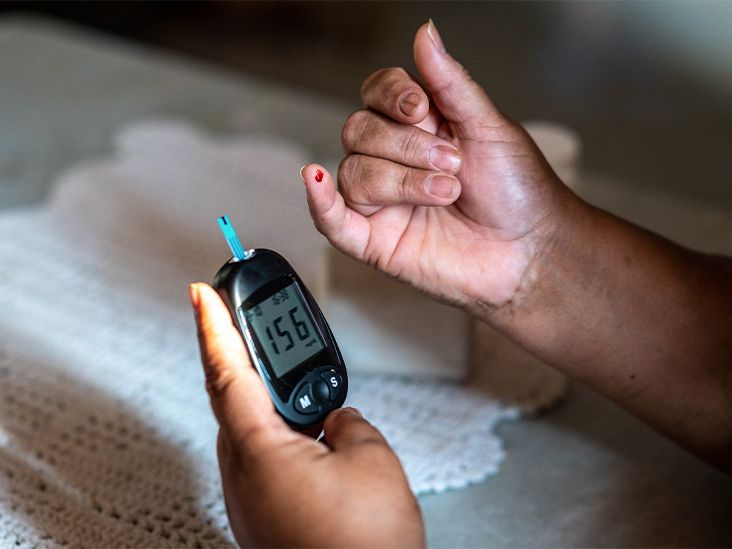
A lot of people walk around with prediabetes and do not know it. The numbers that show up on a fasting blood test tell one story. They give you a snapshot of a single morning. But the average over months tells a different story. That average, often called the A1C, reflects how much sugar has been sticking to your red blood cells. It shows the slow creep of trouble better than any one reading.
I log both numbers for myself. The morning fast gives me a baseline. The A1C tells me if I am lying to myself about what I eat the rest of the day. When my average starts climbing, I notice my memory getting worse. I lose words. I forget why I walked into a room. It is not dramatic, but it is real.
None of this replaces a doctor. This is just a record of what moved the numbers for me. A heavy meal full of refined carbs would spike my glucose and then drop it. A meal with protein and fat and fiber would keep things flat. On flat days my mind felt sharper. On spike days I felt like I was thinking through a fog.
If you have had that fog after eating, it might be worth looking at your own numbers. You do not have to be diabetic for your brain to feel the effects of insulin resistance. The connection between blood sugar and memory is there whether you have a diagnosis or not.
More notes on this topic are at blood sugar notes.